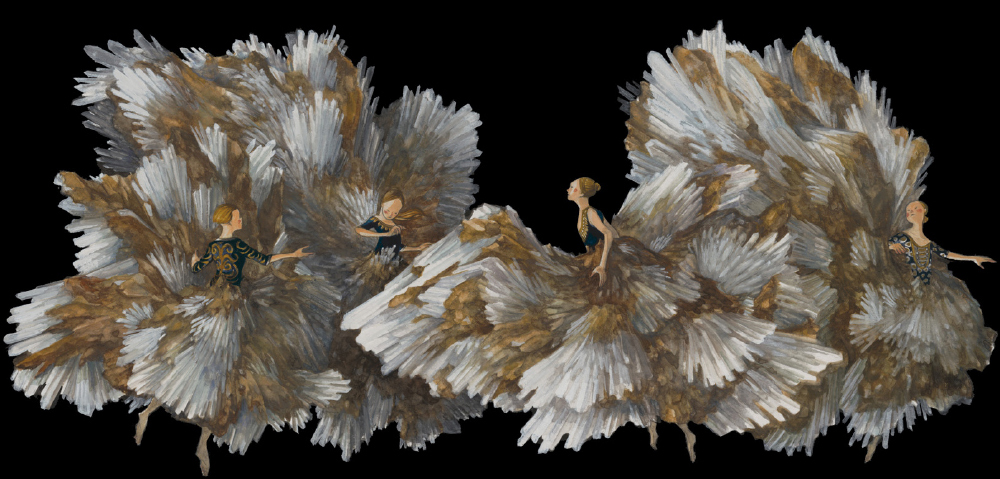
I Became a Painter
junaida: The Artist, His Work, and His Thoughts on Art
Hello, this is Okuno from Hobonichi. I sat down with the artist junaida for a chat about his work. He’s published several interesting art books, and for the past few years he’s worked on the Christmas displays at the famous Mitsukoshi Department Store.
His work is well known, but fewer people know about the artist behind it. junaida says the idea underlying what he does is to make people happy through his art. With his latest project, LAPIS, junaida has taken his art to a new level. I found myself admiring his lifelong enjoyment of drawing, a childhood passion that’s continued into adulthood.
Part2
This place gives me freedom.
- —
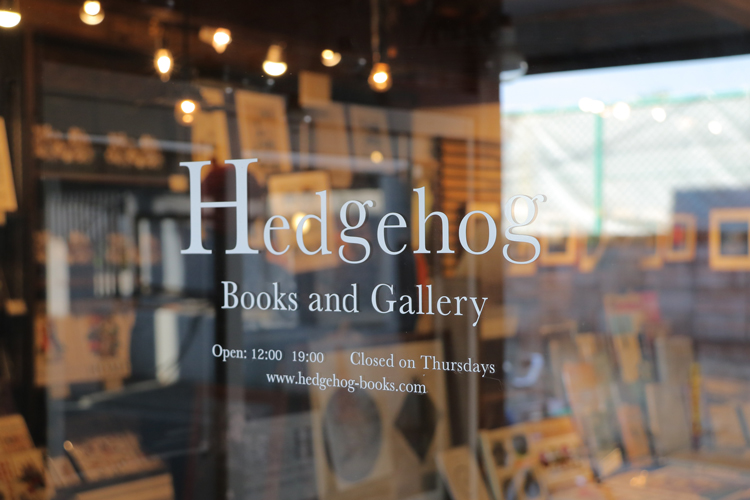
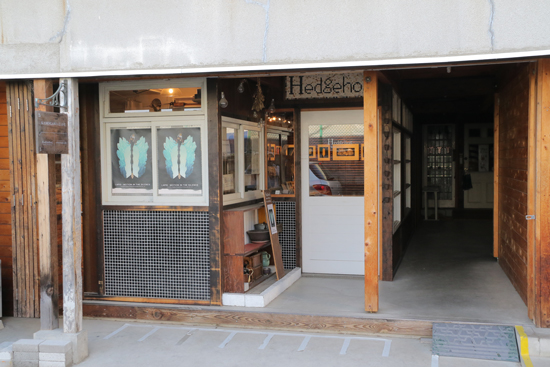
- So you’re running a shop/gallery called Hedgehog.
- junaida
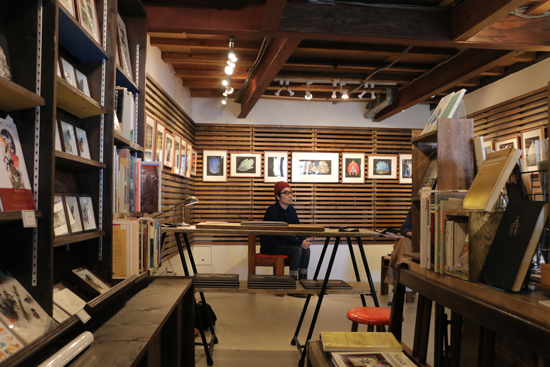
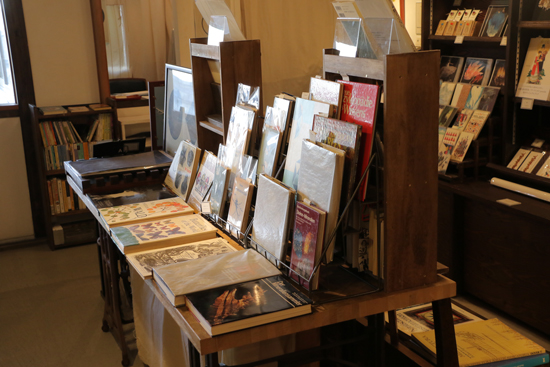
- Yes, it’s quite small. We display artwork by many artists, including myself; sell original products; resell used books and magazines; things like that.
- —
- What does it mean to you as an artist to have a brick-and-mortar outlet like this?
- junaida
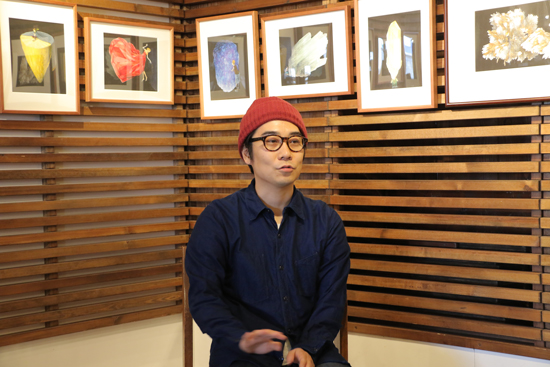
- Having a place like Hedgehog allows me to make my own decisions.
- —
- You mean it gives you freedom?
- junaida
- Yes, I have a great deal more freedom than I had before.
- —
- Please tell us more about that.
- junaida
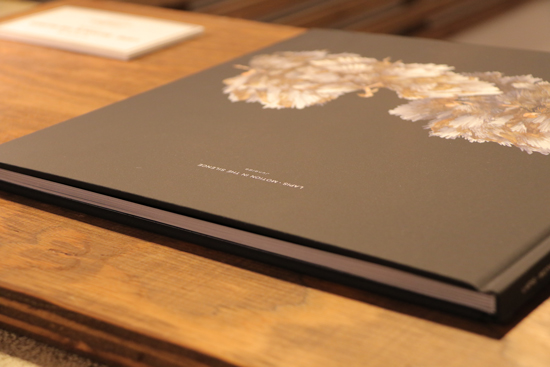
- For example, my first book, LAPIS—it wasn’t published by an outside company. I just wanted to make it, and so we established our own publishing division, working together with print experts.
- —
- It’s easy to see how much work went into choosing the paper. It’s got such an unusual feel.
- junaida
- Well, working as an artist, more often than not you’re creating something on your own—it’s not a request or a commission.
- —
- So when the art is complete, it doesn’t necessarily make you money right away.
- junaida
- Right. When it’s finished, people won’t buy it unless I collect it as a book. I would also have to find an art gallery to host the exhibition. Now I can display my work here, and I can sell my books here.
- —
- And that’s how you got a great deal more freedom.
- junaida
- Yes.
- —
- That reminds me of the way the director Aki Kaurismäki runs his own theater. He said, “No matter what kind of movie I make, I can show it at my own place.”
- junaida
- Oh, interesting. It’s kind of like that. By having my own place, I can draw what I want, how I want. I can even make books however I want.
- —
- That sounds fun.
- junaida
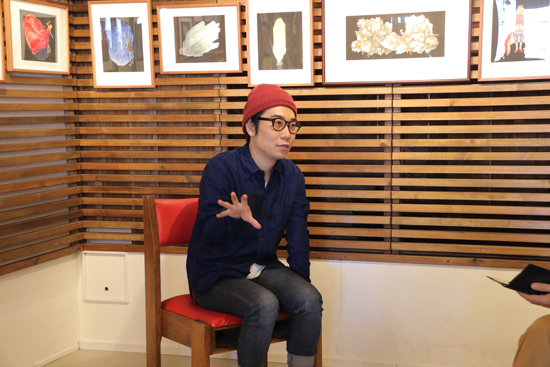
- Yes, it is fun. (Laughs) It’s a really big deal, as an artist, to be able to put my work on display whenever I want.
- —
- I’ll bet.
- junaida
- It was only out of luck that we found this place, but since we jumped in and gave it a shot, we’ve only ever been relieved that we did it. I can’t imagine what I would do without it.
- —
- Yeah.
- junaida
- Before, if I finished some art and felt ready to exhibit it, I’d have to find a place to agree to host it. I’d have to know the exact dates the show would run, and the budget we would be working with, that sort of thing.
- —
- Having your own place gives you so many more possibilities.
- junaida
- And if a customer comes once, we’re always here, so if they ever feel like coming back they can.
- —
- I see. Nowadays, the emphasis is often on not being tied down to a place, so that you can always explore new things. But your freedom to explore has come from being tied down.
- junaida
- Creating art, giving it a physical form, and selling it, all with our own hands. Doing that exposes us to risk, but it frees us from limitations. We can make books however we please, while taking full responsibility if they don’t make us a cent.
- —
- That’s interesting.
- junaida
- The scope of what we do is small, but working on everything that fits within that scope is very interesting.
- —
- You’re in an unusual position, as a creator, to see what sells and what doesn’t.
- junaida
- It’s really fascinating to see. I’ve noticed a pattern: My favorite things I’ve done tend not to sell, whether as a postcard or anything else.
- —
- Oh, I wonder why! (Laughs)
- junaida
- That’s the only inventory we have that never seems to move, so I reposition it in the most visible parts of the store.
- —
- Let me guess, that doesn’t help, does it? (Laughs)
- junaida
- No, not at all! (Laughs) It’s not that easy…
- —
- We face that phenomenon with our own products all the time. We’ll think a design is really great, but it turns out we were wrong. Of course, it happens in the other direction, too.
- junaida
- It’s quite a learning experience.
- —
- As a creator, even if you’re trying to look at something through the customer’s eyes, there must be some kind of limit to your ability to guess how something will sell.
- junaida
- I guess it’s just something the customers will show us every time.
- —
- I can definitely see what you mean when you say this place is the reason for the breadth of your projects.
- junaida
- That’s why when I heard you opened your TOBICHI location, I immediately understood the reason why.
- —
- Do you think differently depending on whether you’re creating art or a product?
- junaida
- When I’m creating art, I go into a completely different mindset. I’m no longer junaida. I’m just a completely different person, wrapped up in really intense concentration.
- —
- There must be a lot of things you’re strengthening when you’re in that state.
- junaida
- I believe so.
- —
- Having customers buy your products almost seems like a way to give them a major vote in what you do.
- junaida
- Yes, and that makes me really happy. I mean, they’re spending their money on it. We’re not exchanging goods. They’re understanding the actual value of these items—enough to pull out precious money from their wallets and part with it in order to take these things home. It’s an everyday thing, but running my own store makes it feel like a very incredible circumstance. It fills me with so much gratitude.
- —
- There’s a great deal to learn from running a shop.
- junaida
- It feels good to make money from selling things, of course, but what feels best is knowing that they approved of my work.
- —
- I see.
- junaida
- My primary occupation is artist, and I spend most of my time thinking about my work. So if someone tells me they love my work, I’m ecstatic.
- —
- I know what you mean.
- junaida
- And if someone says, “I like this pin. I’ll take one,” I’m not exaggerating when I say that makes me exactly as happy.
- —
- I see.
- junaida
- That feeling of being able to trade someone my artwork for money they worked hard to save is the same as the feeling of recognizing my work has gotten through to the viewer.
2016-12-06-Tue
BACK | Part 1Part 3 | NEXT